
What New CSA Group Research Reveals about Hydrogen Leak Testing Gaps
How do we reliably detect, measure, and manage hydrogen leaks?
A new CSA Group research study takes a deep look at this question and finds that the industry still lacks consistency, clarity, and data in some of the most fundamental aspects of leak testing.
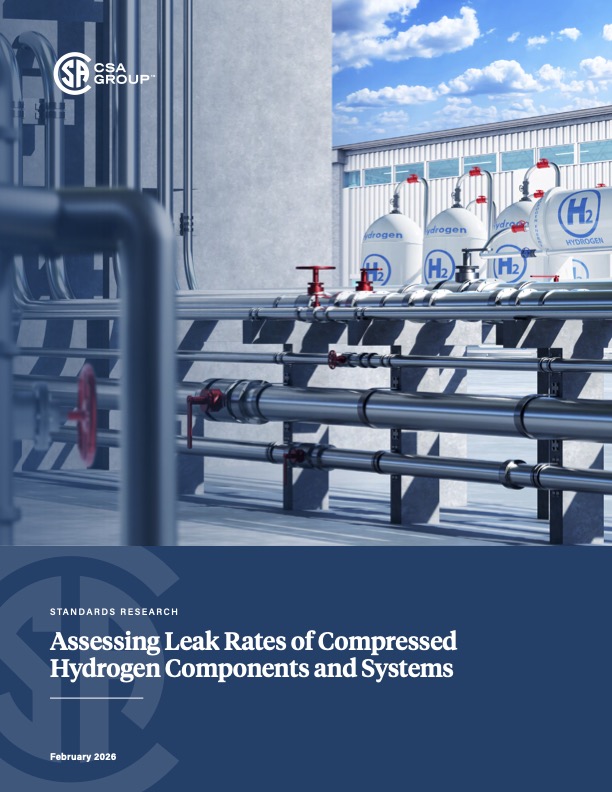
“Assessing Leak Rates of Compressed Hydrogen Components and Systems” is authored by WHA’s Travis Gwynne, Gary Floyd, and Dr. Danielle “Dani” Murphy.
The research was made possible by a financial contribution from Natural Resources Canada. The Sandia National Labs HyRAM+ development team also provided valuable insights on leak frequency and rate data to support the quantitative risk analysis section of the publication.
Addressing Key Gaps in Understanding
Hydrogen’s small molecular size, low ignition energy, and wide flammability range mean that even relatively small leaks can create risk under the right conditions.
Despite this risk, the fast-growing hydrogen industry is still working through inconsistent regulation and access to accurate leak data. At the same time, increasing system pressures and volumes mean that many historic guidelines may fail to represent the realities of modern hydrogen applications.
The result is a fragmented landscape where engineers, operators, and regulators must make critical safety decisions with available guidance and limited data:
- Varied requirements: Leak testing requirements, methods, and acceptance criteria vary widely across codes and standards
- Unclear definitions: Terms like “leak-tight” are often used without measurable thresholds
- Limited real-world data: Reliable hydrogen leak rate and frequency data remain scarce for today’s applications
- Testing limitations: Many tests rely on non-hydrogen gases, which may not accurately represent real leak behavior
- Gaps in in-service guidance: Ongoing leak detection and monitoring requirements are often undefined
These gaps can make it difficult to design, validate, and operate hydrogen systems with confidence.
“At WHA, we specialize in hydrogen combustion safety, and understanding leaks and their potential consequences is fundamental to preventing a fire or explosion. We also live in the codes and standards, so we understand the challenges of applying them consistently across different systems and jurisdictions. Coordinating efforts with CSA Group on this topic was a natural fit.” – Danielle ‘Dani’ Murphy, Ph.D.
Inside the Research
The study is the most comprehensive look to date at how hydrogen leak testing is actually defined and applied across industrial, fueling, transportation, and production market segments.
The work combines:
- A review of 100+ relevant codes, standards, and guidance documents (drawn from over 400 sources)
- Input from 40 stakeholders across manufacturers, system designers, regulators, and certification bodies
- A technical evaluation of leak testing methods, acceptance criteria, and gas behavior
From this, the research builds a clear picture of today’s landscape and where we need to work together to improve it.
“One of the most surprising findings was the lack of alignment in how leak testing is currently defined and applied. Requirements for testing vary significantly, making it difficult to compare or validate results. This lack of consistency ultimately limits confidence in both testing outcomes and system performance.” – Travis Gwynne
A Path to Improved Hydrogen Safety
Importantly, the report doesn’t just summarize literature; it provides areas where the industry can improve.
The work reflects WHA’s mission to bridge the gap between theory, standards, and real-world application, helping clients design safer, more reliable systems.
Key recommendations include:
- Standardizing terminology, test methods, and pass or fail criteria would reduce confusion and improve consistency
- Testing methods should reflect how hydrogen actually behaves, including using hydrogen or appropriate alternatives where possible.
- Stronger in-service testing guidance: Leak detection should continue throughout the life of a system, not just during initial testing.
- Improve data collection to support risk-based design and Quantitative Risk Analysis (QRA)
Hydrogen use will continue to grow as part of the energy transition, but growth depends on confidence in safety.
Together, these steps support a more consistent, risk-informed approach to hydrogen system design and operation.
“Improving how the industry understands and manages leaks will lead to more consistent practices, stronger standards, and better outcomes overall. This is not just a technical detail; it is a key part of making hydrogen systems safe, reliable, and scalable.” – Gary Floyd
Download the Full Research Paper
This publication is available for free through CSA Group. We encourage anyone involved in hydrogen system design, safety, or regulation to review the full paper and consider the findings.
If you have any questions about how this research might apply to your specific systems and applications, please contact us to schedule a consultation with one of our hydrogen safety experts.
Further Reading: Download the Full Research Paper from CSA Group
Share this article
Related Articles
Materials Selection and Compliance in Industrial Oxygen Piping Systems
Because materials can ignite and burn more easily in the presence of oxygen, selecting compatible materials is…
WHA Expert Insights Improve Process Hazard Analyses (PHAs)
If you work with pressurized fluids, you already know that a Process Hazard Analysis (PHA) is a…
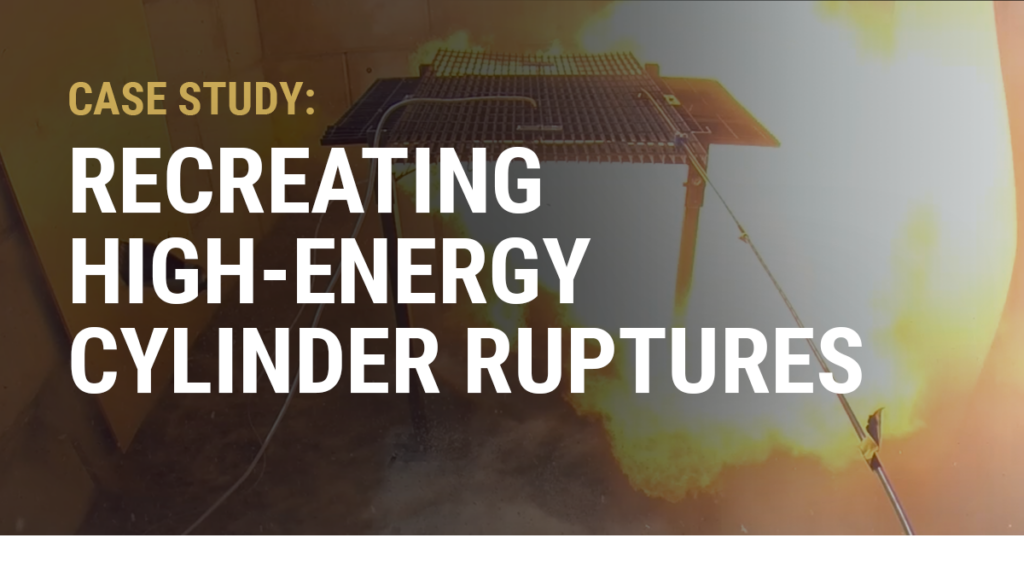
Case Study: Recreating High-Energy Cylinder Ruptures at Full Scale
Several years ago, personnel were unloading a high-pressure aluminum cylinder containing a reactive synthesis gas blend when…
Request an expert
consultation
Contact us to request a free consultation with an experienced engineer who can help you better understand your needs and our solutions.