
WHA Expert Insights Improve Process Hazard Analyses (PHAs)
Highlights
- The right Process Hazard Analysis (PHA) method depends on your system, project phase, and regulatory requirements.
- WHA strengthens PHAs with specialized expertise in hazardous fluids, pressure systems, and fluid-specific hazards.
If you work with pressurized fluids, you already know that a Process Hazard Analysis (PHA) is a critical step in designing and operating a safe system.
Many engineering professionals are familiar with standard methodologies like HAZOP, FMEA, or LOPA. These are well-established frameworks and are often used to meet codes and standards risk analysis requirements.
The following article explores the various PHA methods and how WHA enhances hazard analyses with expert insight into hazardous fluids and pressure systems.
Choosing the Right PHA Approach
The “right” PHA method depends on a few key factors:
- Where you are in the design process
- The complexity of your system
- The level of risk you’re managing
- Industry expectations or regulatory requirements
Early in a project, you might use a high-level method like HAZID or SWIFT to identify major risks and guide design decisions.
Later, more detailed studies like HAZOP or FMEA help review failure modes and deviations and identify risk reduction measures. In comprehensive safety, multiple PHA methods are used during different phases of a project and are revisited whenever a change is made.
“Which method you use is dictated by where you’re at in the process, how complex your system is, and how thorough you want to be,” explains Senior Mechanical Engineer Gary Floyd.
Where PHAs Can Fall Short
Each PHA approach serves a specific purpose, but the right method alone is not enough to guarantee a thorough analysis. A PHA’s value is ultimately determined by how it’s executed and who is involved in the process.
“You may know how to do a HAZOP, but do you know how to ask the right questions within that framework?” asks Principal Engineer Danielle “Dani” Murphy, Ph.D.
You can run the analysis “by the book” and still overlook:
- Material compatibility
- Combustion or ignition risks
- Real-world operating deviations
- Unique code requirements
- Failure modes specific to the fluid in your system
It’s like the old adage: “You don’t know what you don’t know.”
That’s where experienced guidance makes the difference.
How WHA Strengthens the PHA Process
At WHA, the goal is to make PHAs more effective. In addition to keeping personnel and equipment protected, thorough hazard assessments actually save time and money in the long run.
“WHA’s involvement will make your PHA more thorough and specific,” Dani shares. “We’re going to ask the right questions and dig into areas where you may have less experience.”
That means:
- Asking deeper questions
- Challenging assumptions about how systems will actually operate
- Incorporating fluid-specific risks into the analysis
- Bridging gaps between codes and real-world design
Clients often come to WHA knowing how to perform a PHA, but they want help making sure it’s done well.
Going Beyond Standard Methods
In many cases, standard PHA methods can be supplemented with more targeted tools.
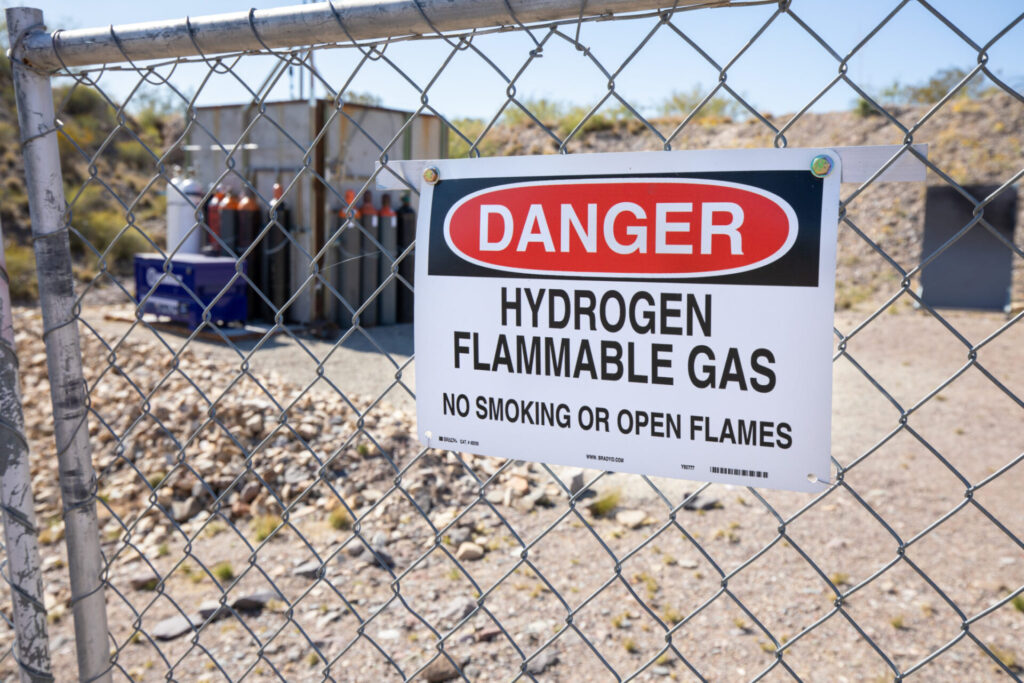
WHA integrates specialized analyses like Oxygen Fire Risk Analysis (OFRA) or Hydrogen Combustion Risk Analysis (HCRA).
These tools allow the team to go deeper into systems where fluid-specific behavior and material interaction drive risk.
When to Bring in a Subject Matter Expert
PHAs are most effective when they’re integrated into the design process rather than treated as a final checkbox. Earlier involvement leads to better outcomes.
“It’s great when system designers come to WHA in their concept phase,” explains Gary. “Later, when we’re part of the formal PHA, it goes much quicker and more smoothly because we’ve been asking those important questions all along the way.”
Early involvement helps:
- Identify issues before they become costly redesigns
- Streamline later-stage analyses
- Reduce delays during commissioning and approval
WHA can lead early-phase PHAs, conduct independent hazard assessments, or support your team as subject matter experts, depending on your needs.
A Better PHA Leads to a Better System
Ultimately, a PHA isn’t just about compliance; it’s about building a system that is safe, reliable, and fit for purpose.
Don’t hesitate to reach out if you have any questions about supporting your PHA with WHA’s deep understanding of pressure systems and fluid-specific hazards.
Share this article
Related Articles
Materials Selection and Compliance in Industrial Oxygen Piping Systems
Because materials can ignite and burn more easily in the presence of oxygen, selecting compatible materials is…
What New CSA Group Research Reveals about Hydrogen Leak Testing Gaps
How do we reliably detect, measure, and manage hydrogen leaks? A new CSA Group research study takes…

Enhanced Support for Pressure System Design
With over 35 years in the industry, WHA has established itself as a leader in investigating and…
Request an expert
consultation
Contact us to request a free consultation with an experienced engineer who can help you better understand your needs and our solutions.