
Hazard Analysis Tools
- Qualitative Fault Tree Analysis: WHA utilizes qualitative fault tree analysis as a tool to determine the risks associated with systems, products, or processes. The hazards of concern (often thermal runaway, fire, and/or explosion) are analyzed to determine the elements of causation (faults) that are visually represented in a fault tree diagram. From the fault tree diagram, the relationships between faults, identified vulnerabilities in the design, and areas that are double-fault protected are apparent. These realizations aid engineers in design decisions and test direction and are useful for demonstrating safe design.
- Quantitative Fault Tree Analysis: Qualitative fault trees can further be expanded to quantitative fault trees that are useful for probabilistic risk assessment. WHA performs Fault Tree Analysis consistent with IEC/ISO 31010 Risk Assessment Techniques and NASA Fault Tree Handbook with Aerospace Applications.
- Probabilistic Risk Assessment: WHA tailors the analysis with the unique design consideration of our client’s products and systems in mind. The techniques utilized are consistent with ASTM E3159:2018 Standard Guide for General Reliability. Bathtub curve analysis, Weibull Analysis, and the application of life cycle concepts that are standard throughout the manufacturing industry in assessing reliability are just a few examples.
Electrostatic Discharge Risk Analysis
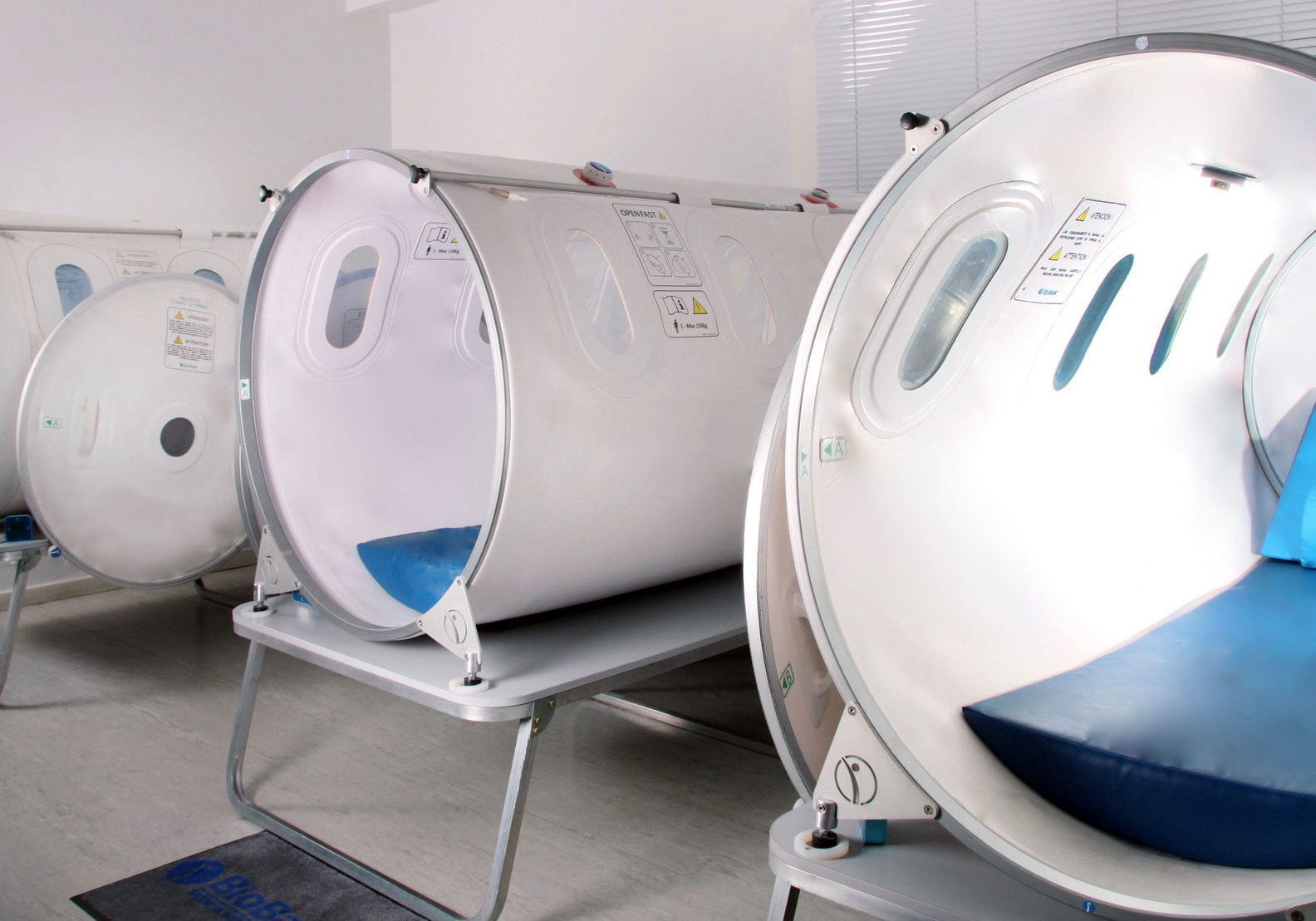
Electrostatic Discharge is a known source of ignition in the fuel gas industry and has been considered to be the source of ignition of several oxygen related fires that occurred in hyperbaric chambers as the result of unsafe practices due to insufficient hazard analysis.
Understanding the physics of electrostatic discharge events is crucial to determining the risk. WHA’s approach is consistent with NFPA 77, Recommended Practice on Static Electricity, and API Recommended Practice on Protection Against Ignitions Arising Out of Static, Lightning, and Stray Currents.
WHA has developed unique testing capabilities useful in determining the electrostatic discharge risk of a system, process, or product.
ISO/IEC 60601-1 Electrical Source of Ignition for Oxygen Carrying Equipment Hazard Analysis
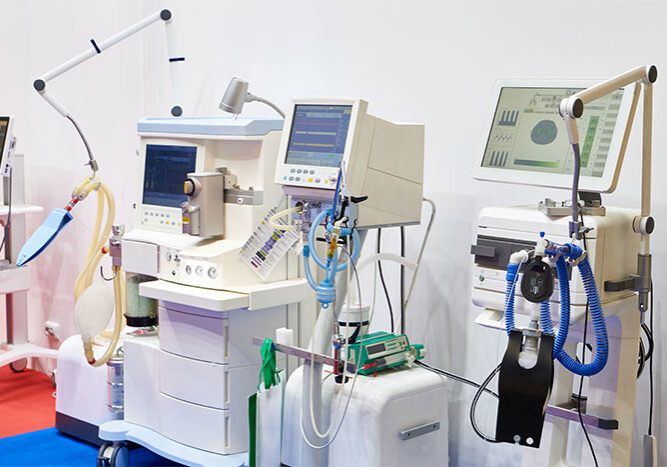
The ISO/IEC 60601-1 set of standards is a series of safety standards for medical electrical equipment (ME equipment). Manufacturers of medical devices with electrically-powered equipment must demonstrate compliance with this international standard in order to bring their device into markets in the US and EU.
WHA works with medical electrical equipment manufacturers in meeting the specific requirements related to oxygen hazards that are contained within IEC/ISO 60601 (Section 11.2.2). WHA’s Oxygen Fire Risk Analysis (OFRA) provides a structured framework to help medical electrical equipment manufacturers demonstrate compliance with the oxygen-rich environment requirements of IEC 60601-1, Subclause 11.2.2. The OFRA process applies to medical devices that transport oxygen or may be exposed to oxygen-rich environments during use. WHA can support manufacturers through a Level 1 consulting engagement or provide an independent Level 2 review when third-party assessment and reporting are needed or desired. A level 2 review often includes ISO 15001 section 4.2 “risk management” and a review of cleaning procedures against ISO 15001 section 4.1 for the oxygen carrying components. WHA has extensive experience helping manufacturers identify an efficient and appropriate path to compliance, with the expertise, resources, and testing capabilities needed to address the applicable analysis and testing requirements. WHA provides ISO 17025-accredited testing services for medical electrical equipment, including testing for devices used in oxygen-rich environments. WHA also performs reliability and probabilistic risk analyses of electrical components to support calculation of the maintenance intervals required by IEC 60601-1, Subclause 11.2.2.1 b)
Click here for information on WHA testing services for medical electrical equipment.
Hazard Analysis for Battery Systems
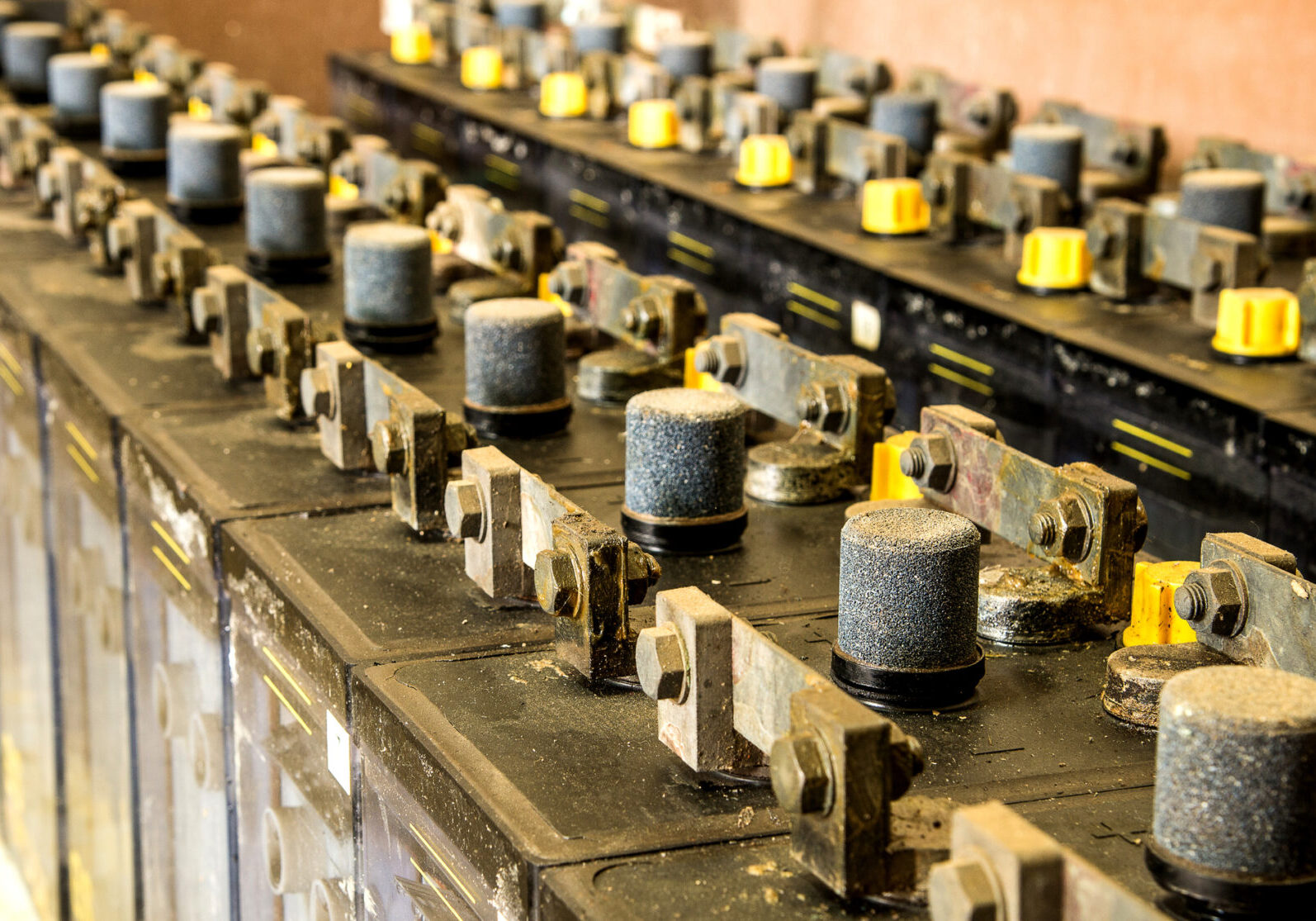
Battery systems require unique safety considerations. Electrical faults can lead to ignition and fire, especially in the presence of enriched oxygen or flammable gases. WHA’s experience investigating fires in battery systems makes us uniquely qualified to perform hazard analyses and support manufacturers in designing safer lithium-ion and lead-acid battery systems, particularly for applications involving oxygen and hydrogen.