
Alternative Fuels Safety Consultants
Full System Lifecycle
WHA helps companies design, scale, and maintain pressure systems for alternative fuels and feedstocks, as well as novel fuel applications. Our engineers help teams understand the unique behavior of their fuels, navigate codes and standards, and make practical design decisions that support safe, reliable growth and operability.
Trusted by Industry Leaders

Nasa

Emerson

Essex

GE Healthcare

Linde

Generant

Air Liquide
Airgas

NREL

Lyondellbasell

NAVAIR

Flowserve
Address the Unique Safety Considerations of New Fuel Technologies
Alternative fuels and emerging technologies can introduce risks that traditional design assumptions or existing standards do not fully address. Even familiar fuels such as natural gas or propane may require a different approach when used at new pressures, scales, or in novel applications.
The challenge is not simply meeting a code; it requires understanding how the fuel, system, materials, operating conditions, and personnel interact.
WHA specializes in innovative fuel technologies and non-standard applications. We help system designers ask the right questions early, identify practical safeguards to reduce risk, and move forward with greater confidence.
Who this is For
WHA supports organizations developing, integrating, or operating alternative fuel and novel technology applications across:
- Transportation and alternative-fuel vehicles
- Energy production and storage
- Chemical and industrial processing
- Research and development
- Aerospace and spaceflight
- Industrial gas systems
- Equipment and component manufacturing
If your technology falls outside the standard playbook, WHA can help you define a safer path forward.
Support Across the Entire System Lifecycle
Whether you’re moving from lab scale to a pilot program, commissioning a new system, or modifying an established application, WHA can support the safety process throughout the project lifecycle.


Plan & Design
- Independent pressure-system design reviews
- Compliance reviews
- Material compatibility
- Component suitability
- Compliance reviews
- Review of safeguards, relief, detection, and ventilation effectiveness
- Hazard analysis, consequence evaluation, and risk-mitigation through effective safeguards


Build & Commission
- Pre-startup safety reviews
- Commissioning and operational-readiness support
- System audits
- Procedures and safety documentation reviews
- Technical training


Operate & Maintain
- Ongoing technical consultation
- Operating, maintenance, and emergency procedure reviews
- Training refreshers
- Safety review of component and operational changes (Management of Change)


Modify & Expand
- Lab-to-pilot and pilot-to-commercial scale-up reviews
- Infrastructure modifications leading to Management of Change and re-evaluation of hazards and risk
Why Industrial Teams Call WHA

“We’re scaling a technology from the lab to a pilot or commercial system and need help understanding how our changes may impact safety and reliability.”

“We’re using a new fuel or a familiar fuel in a way that isn’t well covered by existing standards.”

“We need an independent review of our system before startup.”

“We’re not sure which codes and standards apply, or how to fill the gaps where they don’t.”

“We’ve had an equipment or system failure and need to understand what went wrong.”

“We want to simplify the design, improve reliability, and reduce unnecessary components without compromising safety.”
Your Experts in Fuel and Combustion Safety
For nearly four decades, WHA has solved difficult safety engineering problems involving pressure systems for fuel gases, oxidizers, and reactive fluids. With roots in NASA and aerospace programs, our experience today spans hydrogen (gaseous and liquid), biogas, natural gas and CNG applications, propane, process-derived fuel mixtures, reactive gas mixtures, and specialized aerospace fuels.
For nearly four decades, WHA has solved difficult safety engineering problems involving pressure systems for fuel gases, oxidizers, and reactive fluids. With roots in NASA and aerospace programs, our experience today spans hydrogen (gaseous and liquid), biogas, natural gas and CNG applications, propane, process-derived fuel mixtures, reactive gas mixtures, and specialized aerospace fuels.
We Don’t Just Apply Standards. We Help Shape Them.
WHA engineers contribute to industry safety initiatives and codes and standards development, including participation in the Center for Hydrogen Safety’s Hydrogen Safety Panel.
Alternative Fuels Safety Training
Build the technical knowledge your team needs to work confidently with hydrogen, alternative fuels, and pressure systems. Register for upcoming safety training courses or schedule your corporate training event customized for your unique needs and systems.

Virtual Hydrogen Safety Series
We’re inviting industry to attend a virtual hydrogen safety training event with multiple days of…
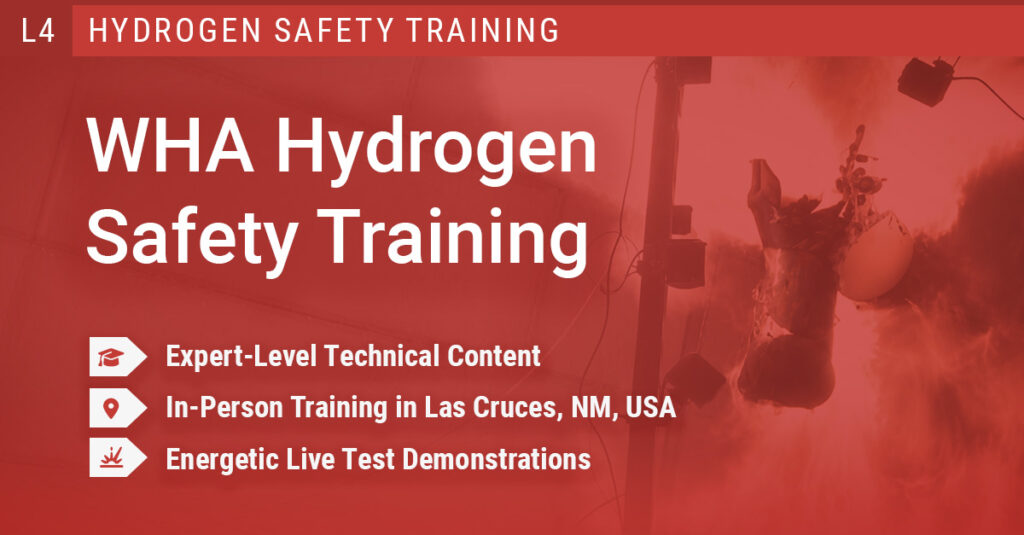
Hydrogen Safety Training: Level 4 (Las Cruces)
WHA’s Level 4: H2 Analyze course is known throughout industry as the most comprehensive and…
Alternative Fuels Insights & Case Studies
Explore practical guidance, case studies, and technical insights on new and alternative fuels, pressure-system safety, and emerging applications.
What New CSA Group Research Reveals about Hydrogen Leak Testing Gaps
How do we reliably detect, measure, and manage hydrogen leaks? A new CSA Group research study takes…
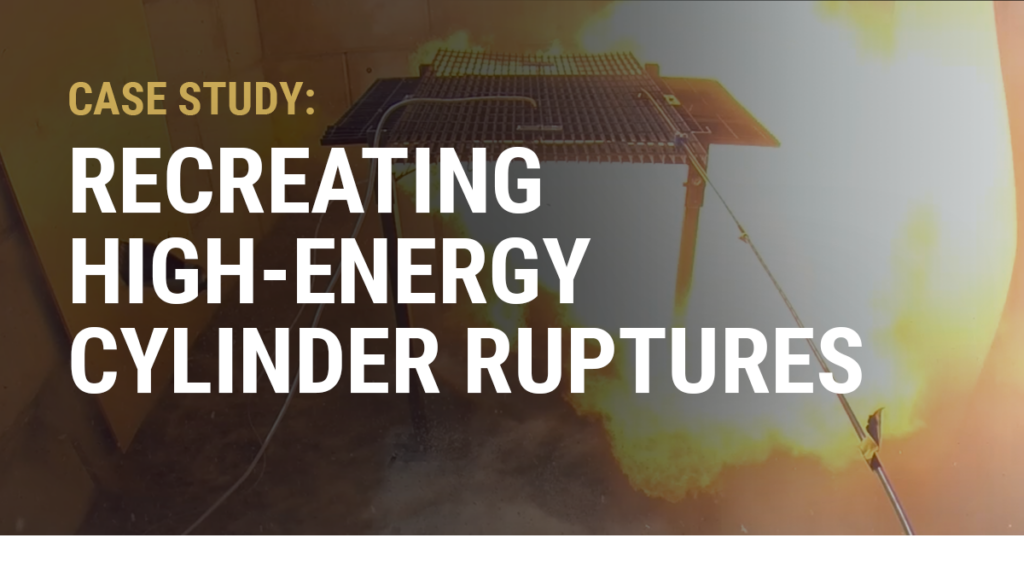
Case Study: Recreating High-Energy Cylinder Ruptures at Full Scale
Several years ago, personnel were unloading a high-pressure aluminum cylinder containing a reactive synthesis gas blend when…
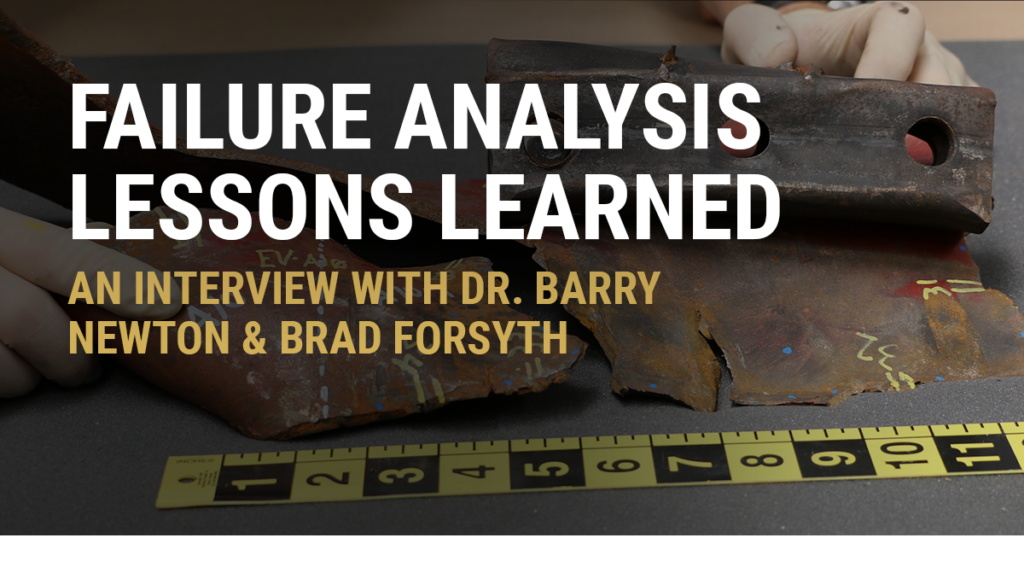
WHA Failure Analysis Legacy: Lessons Learned in Forensic Engineering
What are some of the biggest lessons you’ve learned through forensic engineering? Brad Forsyth: Our failure analysis…